

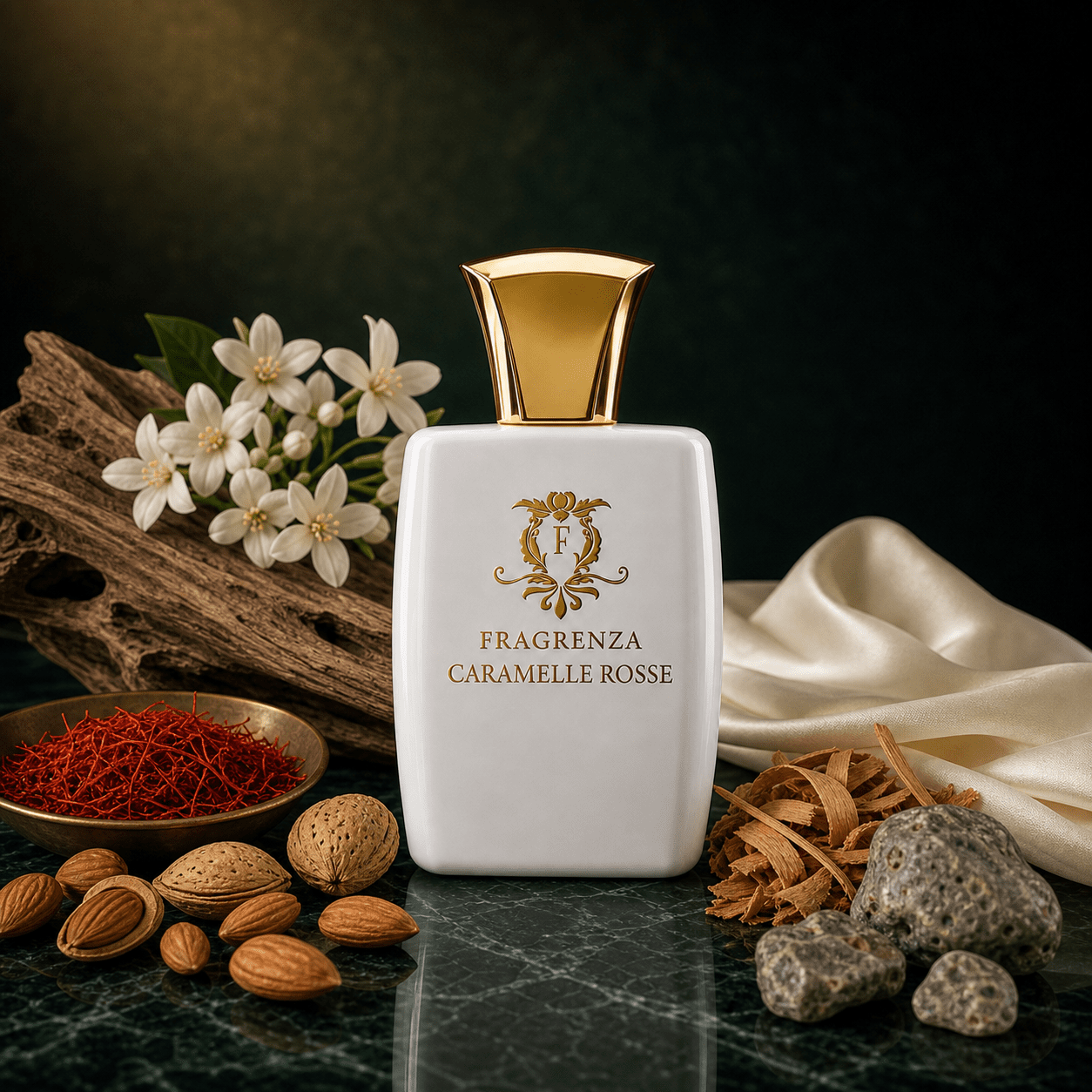
The question: “How long does perfume last in the bottle? How should I store my fragrances to make them last?” Below is our practical guide to fragrance storage and shelf-life.
How long perfume lasts unopened
An unopened perfume bottle properly stored can retain its character for 5-10 years. Most modern fragrances reach peak character 6-12 months after manufacture (the “blooming” period as materials integrate) and slowly degrade thereafter. The degradation accelerates after years 3-4; by year 8-10, most compositions have lost meaningful character.
The unopened shelf life is determined by three factors: storage temperature, light exposure, and ambient humidity. Bottles stored in dark, cool, dry conditions last significantly longer than bottles stored in bathroom counters with direct sunlight and shower humidity.
How long perfume lasts opened
Once opened (the bottle has been sprayed for the first time), oxygen exposure begins degrading the composition. The opened shelf life is typically 3-5 years for daily-used bottles, 2-3 years for bottles used occasionally.
The degradation pattern is uneven: the bright top notes degrade first (often within 12-18 months); the heart notes degrade next (2-3 years); the substantive base notes can hold their character for 5+ years even after opening. This is why aged fragrances often smell “different but not unpleasant” — the base notes survive while the bright opening fades.
How to store perfume correctly
Cool temperature. Below 80°F (27°C) at all times. The fragrance materials degrade faster at higher temperatures. Some collectors store premium bottles in wine refrigerators set to 55-60°F for maximum preservation.
Dark storage. Direct sunlight or strong artificial light breaks down fragrance molecules. Store bottles in closed cabinets, drawers, or original boxes. The Fragrenza catalogue’s boxes provide effective light protection if you keep them.
Low humidity. Humidity accelerates oxidation. Avoid bathrooms (shower humidity), kitchens (cooking steam), and near radiators. Bedroom or hallway storage closets work better than bathroom medicine cabinets.
Upright orientation. Store bottles upright so the spray mechanism stays dry and doesn’t develop corrosion. Some serious collectors lay bottles flat for maximum air-tight contact, but upright is fine for daily-wear bottles.
Original packaging. The original boxes provide light protection. If you keep bottles outside their boxes, prioritize dark cabinet storage.
Signs your fragrance has degraded
Three signals indicate fragrance degradation:
The color shifts. Most fragrances are slightly amber or yellow when fresh; degradation typically deepens the color toward dark amber or brown. A bottle that started golden and is now dark brown has degraded.
The opening smells off. Fresh fragrance has bright top notes; degraded fragrance smells “muddled” or “vinegary” at the opening (the citrus has oxidized into acetic-acid character).
The composition feels flat. Fresh fragrance develops through clear top-heart-base phases; degraded fragrance just smells like undifferentiated base notes from the first spray.
Which compositions age best
Compositions with substantial base notes age better than bright citrus compositions. The dense oriental and oud compositions (Nasomatto Black Afgano dupe, Dolce & Gabbana Velvet Desert Oud dupe, Tom Ford Lost Cherry dupe) hold character longer than bright citrus compositions (Versace Dylan Turquoise dupe, Roja Parfums Galloway dupe).
This is why niche-luxury collectors often invest in substantial-base compositions — they retain wear value longer in the bottle. For wearers who go through bright citrus compositions quickly, the shorter shelf life matters less; for wearers who save special-occasion compositions for years, picking substantive bases extends the practical value.
How to extend a bottle’s life
Travel atomizers for transport. Rather than carrying the full bottle on travel, transfer 10-15ml to a travel-size atomizer. This preserves the main bottle’s storage conditions while still giving you fragrance on the road.
Avoid handling the spray nozzle. Skin oils and bacteria on the spray nozzle can introduce contaminants. Don’t touch the nozzle to skin during application.
Tighten the cap when not in use. Loose caps allow oxygen exchange that accelerates degradation. Re-cap after each use.
Track purchase dates. Write the purchase date on the bottom of the bottle with a marker. This helps you identify which bottles to use first as your collection grows.
When to throw a bottle out
If the color has shifted dramatically, the opening smells off, or the composition feels flat from the first spray — the bottle has degraded beyond useful wear. Hold onto the bottle for sentimental value if you want, but stop wearing the perfume on skin.
For most everyday wearers, this won’t happen often. The Fragrenza catalogue’s compositions are designed for daily wear; you’ll typically finish bottles long before they degrade significantly. The storage rules above are most relevant for collectors with large rotations or special-occasion compositions used only annually.